
Imagine stepping into a room heated to 105°F (40°C) and practicing a series of 26 postures designed to challenge your body and calm your mind. Welcome to Bikram Yoga, a hot yoga style that has gained worldwide popularity for its intense and transformative practice. Whether you’re looking to improve flexibility, detoxify your body, or push your limits, Bikram Yoga offers a unique experience. In this guide, we’ll explore everything you need to know about Bikram Yoga, from its origins to its benefits and tips for beginners. Get ready to sweat, stretch, and strengthen your way to wellness!
What Is Bikram Yoga?
Bikram Yoga is a style of hot yoga created by Bikram Choudhury in the 1970s. It consists of a fixed sequence of 26 postures and two breathing exercises, practiced in a room heated to 105°F (40°C) with 40% humidity.
- The Sequence: The 90-minute class follows the same sequence every time, allowing practitioners to track their progress and focus on alignment.
- Heat and Humidity: The heated room helps warm up muscles, increase flexibility, and promote detoxification through sweating.
- Focus on Alignment: Each pose is designed to work specific parts of the body, improving strength, balance, and flexibility.
Deeper Insight: Bikram Yoga is often called “torture in a room” due to its intensity, but practitioners swear by its physical and mental benefits.
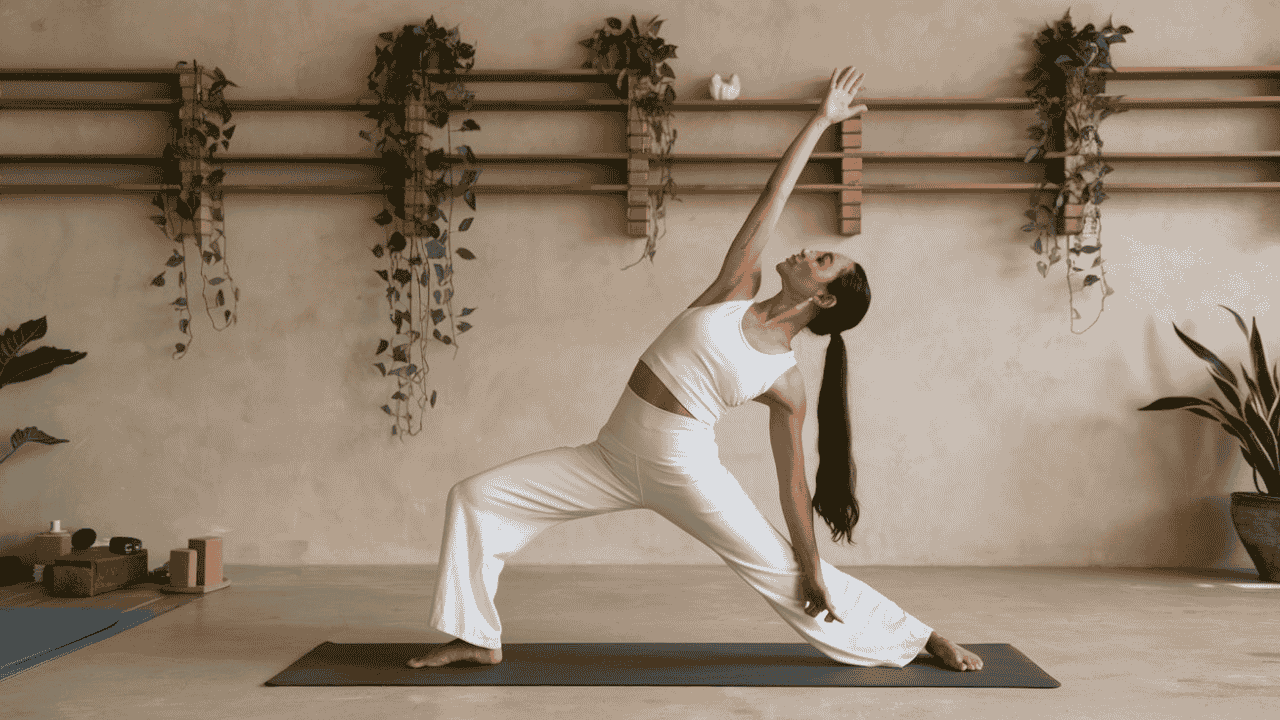
The History and Philosophy of Bikram Yoga
Bikram Yoga has a fascinating history and a unique philosophy:
- Origins: Bikram Choudhury developed the practice after a weightlifting injury led him to explore yoga for healing. He later founded the Bikram Yoga College of India.
- Philosophy: Bikram believed that the combination of heat, specific postures, and controlled breathing could heal the body and mind.
- Controversy: While Bikram Yoga has a loyal following, it has also faced criticism due to controversies surrounding its founder. However, the practice itself remains popular and effective.
Pro Tip: Focus on the practice, not the person. Bikram Yoga’s benefits speak for themselves, regardless of its creator’s legacy.
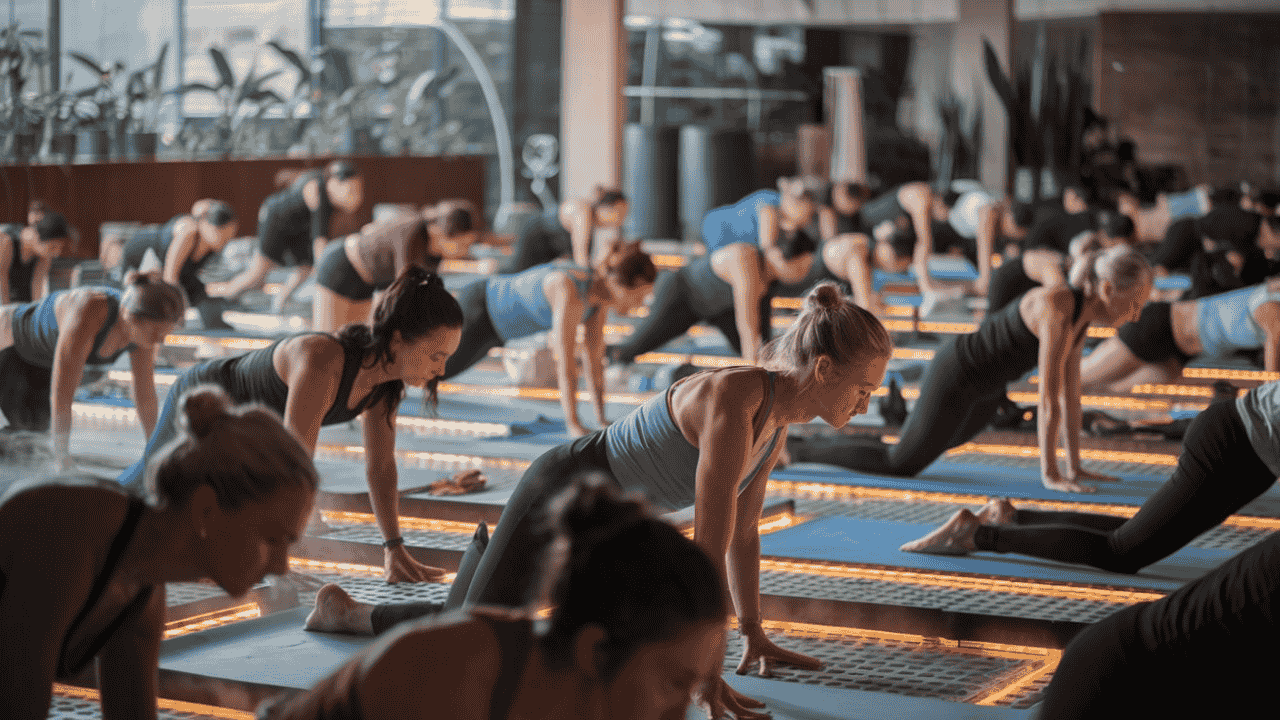
The 26 Postures and 2 Breathing Exercises
The Bikram Yoga sequence is designed to work every part of the body. Here’s an overview of the 26 postures and 2 breathing exercises:
- Pranayama Series (Standing Deep Breathing):
- Focus: Prepares the body and mind for the practice.
- Benefits: Improves lung capacity and oxygenates the blood.
- Half Moon Pose (Ardha Chandrasana):
- Focus: Stretches the spine and improves flexibility.
- Benefits: Strengthens the core and improves posture.
- Awkward Pose (Utkatasana):
- Focus: Works the legs and lower body.
- Benefits: Builds strength and endurance.
- Eagle Pose (Garurasana):
- Focus: Improves balance and coordination.
- Benefits: Stretches the shoulders and upper back.
- Standing Head-to-Knee Pose (Dandayamana Janushirasana):
- Focus: Strengthens the legs and improves focus.
- Benefits: Stretches the hamstrings and improves balance.
Note: The sequence continues with a mix of standing, balancing, and floor postures, ending with a final breathing exercise.
Benefits of Bikram Yoga
Bikram Yoga offers a wide range of physical, mental, and emotional benefits:
- Physical Benefits:
- Improves flexibility, strength, and balance.
- Promotes detoxification through sweating.
- Enhances cardiovascular health and circulation.
- Mental Benefits:
- Reduces stress and anxiety.
- Improves focus and mental clarity.
- Builds discipline and resilience.
- Emotional Benefits:
- Boosts confidence and self-esteem.
- Encourages mindfulness and self-awareness.
- Fosters a sense of accomplishment.
Real-Life Example: Sarah, a busy mom, started practicing Bikram Yoga to relieve stress. Over time, she noticed not only improved physical fitness but also a greater sense of calm and focus in her daily life.
Tips for Beginners
Starting Bikram Yoga can be intimidating, but these tips will help you ease into the practice:
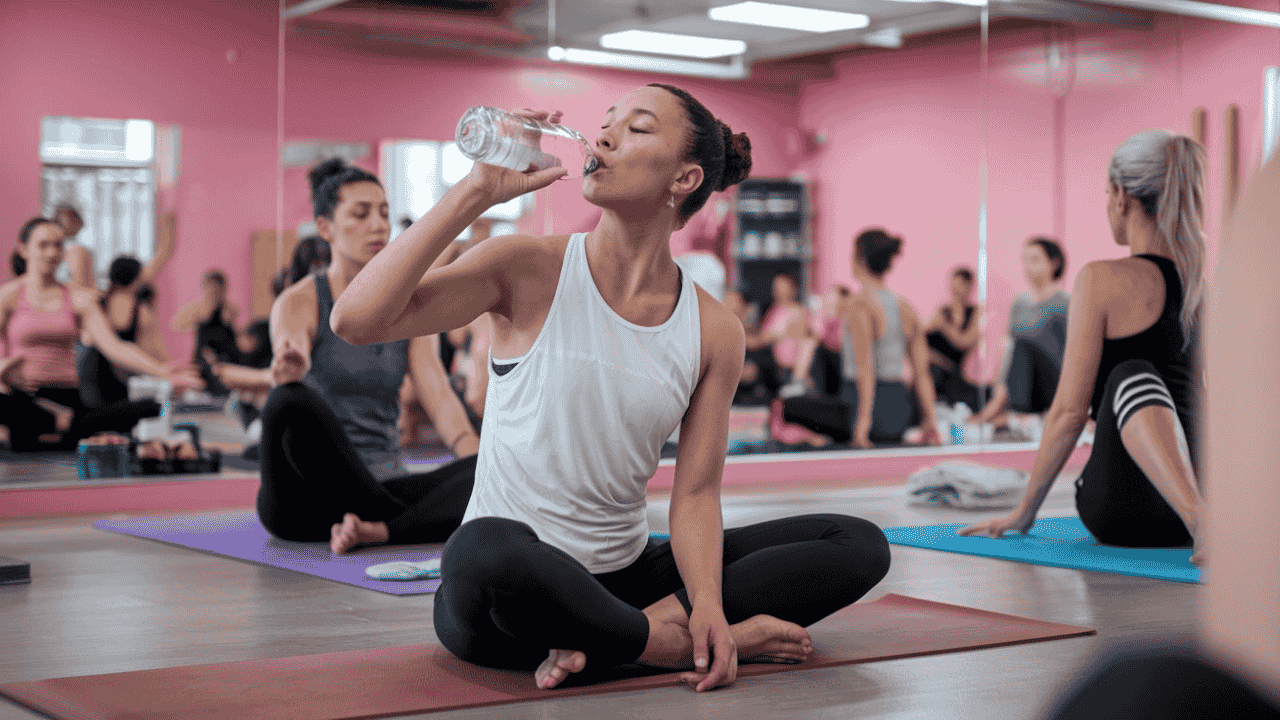
- Hydrate: Drink plenty of water before, during, and after class to stay hydrated.
- Wear Comfortable Clothing: Choose lightweight, breathable fabrics that wick away sweat.
- Arrive Early: Give yourself time to acclimate to the heat and set up your mat.
- Listen to Your Body: Take breaks as needed and avoid pushing yourself too hard.
- Stay Consistent: Regular practice will help you build stamina and familiarity with the sequence.
Common Challenges and How to Overcome Them
Bikram Yoga is physically demanding, but these tips will help you overcome common challenges:
- Heat and Humidity: Start with shorter classes and gradually build up your tolerance.
- Dizziness or Nausea: Sit down, drink water, and focus on your breath until you feel better.
- Muscle Soreness: Stretch gently after class and stay hydrated to reduce soreness.
- Mental Resistance: Use the heat and postures as a form of meditation to stay focused.
Conclusion
Bikram Yoga is more than just a workout—it’s a transformative practice that challenges your body, calms your mind, and strengthens your spirit. By embracing the heat, the sequence, and the discipline, you can unlock a new level of physical and mental well-being. Whether you’re a beginner or an experienced yogi, Bikram Yoga offers a unique and rewarding experience. Roll out your mat, take a deep breath, and step into the heat. Your journey to wellness starts now!
FAQs
1. Is Bikram Yoga suitable for beginners?
Yes, but it’s important to listen to your body and take breaks as needed. Beginners should start slowly and stay hydrated.
2. How hot is a Bikram Yoga class?
The room is heated to 105°F (40°C) with 40% humidity.
3. What should I bring to a Bikram Yoga class?
Bring a yoga mat, towel, water bottle, and wear lightweight, breathable clothing.
4. How often should I practice Bikram Yoga?
Aim for 3-4 sessions per week to see significant benefits.
5. Can I practice Bikram Yoga at home?
While it’s possible, the heated environment is a key component of the practice. It’s best to attend a studio for the full experience.
6. What if I feel dizzy or nauseous during class?
Sit down, drink water, and focus on your breath until you feel better.
7. How long does it take to see results from Bikram Yoga?
Many people notice improved flexibility, strength, and mental clarity within a few weeks of regular practice.