
Constipation is one of those problems that’s more common than we like to admit—and let’s face it, it’s also really uncomfortable. If you’ve ever felt bloated, sluggish, or had trouble with irregular bowel movements, you’re not alone. While over-the-counter remedies exist, they can be harsh or habit-forming. The good news? Yoga for constipation offers a gentle, holistic approach to help your digestive system work better—naturally.
Certain yoga poses are designed to massage your abdominal organs, stimulate the intestines, and reduce stress—all of which can significantly improve your digestion. In this article, you’ll learn about 7 effective yoga asanas, how to do them correctly, and why they work.

🧘♂️ 1. Pawanmuktasana (Wind-Relieving Pose)
How to Do It:
-
Lie flat on your back, legs extended, arms at your sides.
-
Inhale deeply, then exhale as you bring your right knee toward your chest.
-
Clasp your hands around your knee and gently press it against your stomach.
-
Lift your head and bring your nose towards your knee.
-
Hold for 20–30 seconds while breathing deeply.
-
Release and repeat on the other leg. Then do both legs together.
Benefits:
-
Massages the intestines and stomach.
-
Helps release trapped gas.
-
Stimulates bowel movement.
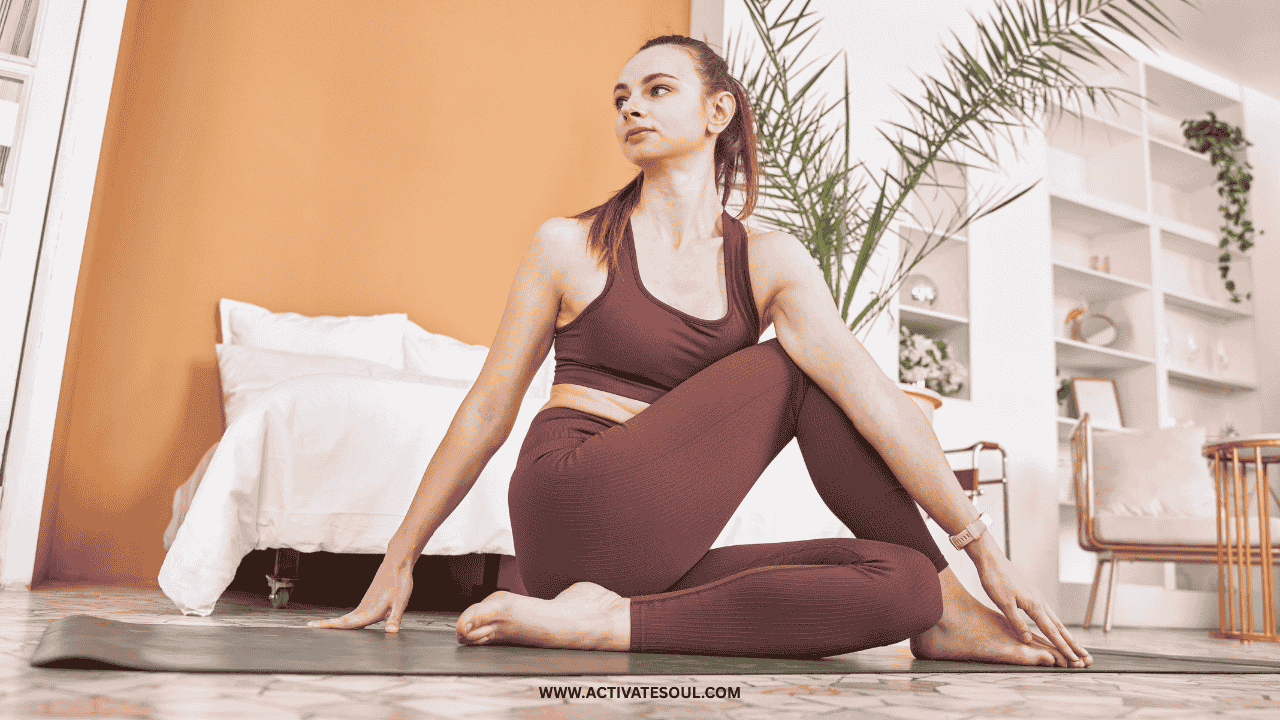
🧘♀️ 2. Ardha Matsyendrasana (Half Lord of the Fishes Pose)
How to Do It:
-
Sit with your legs extended.
-
Bend your right knee and place your right foot outside your left thigh.
-
Bend your left leg so your heel is near your right hip.
-
Inhale and place your right hand behind your back.
-
Exhale, raise your left arm, and twist to the right, placing your left elbow on the outside of your right knee.
-
Look over your right shoulder and hold for 30 seconds. Repeat on the other side.
Benefits:
-
Twists help massage abdominal organs.
-
Improves liver and kidney function.
-
Stimulates digestion and eliminates toxins.
🧘 3. Malasana (Garland Pose or Yogic Squat)
How to Do It:
-
Stand with your feet slightly wider than hip-width apart.
-
Squat down with your feet flat on the floor.
-
Bring your palms together at your heart center (Namaste pose).
-
Use your elbows to gently press your knees apart.
-
Keep your spine straight and chest open.
-
Hold for 30–60 seconds while breathing deeply.
Benefits:
-
Opens up the pelvic area and encourages bowel movement.
-
Strengthens abdominal muscles.
-
Relaxes lower back and hips.
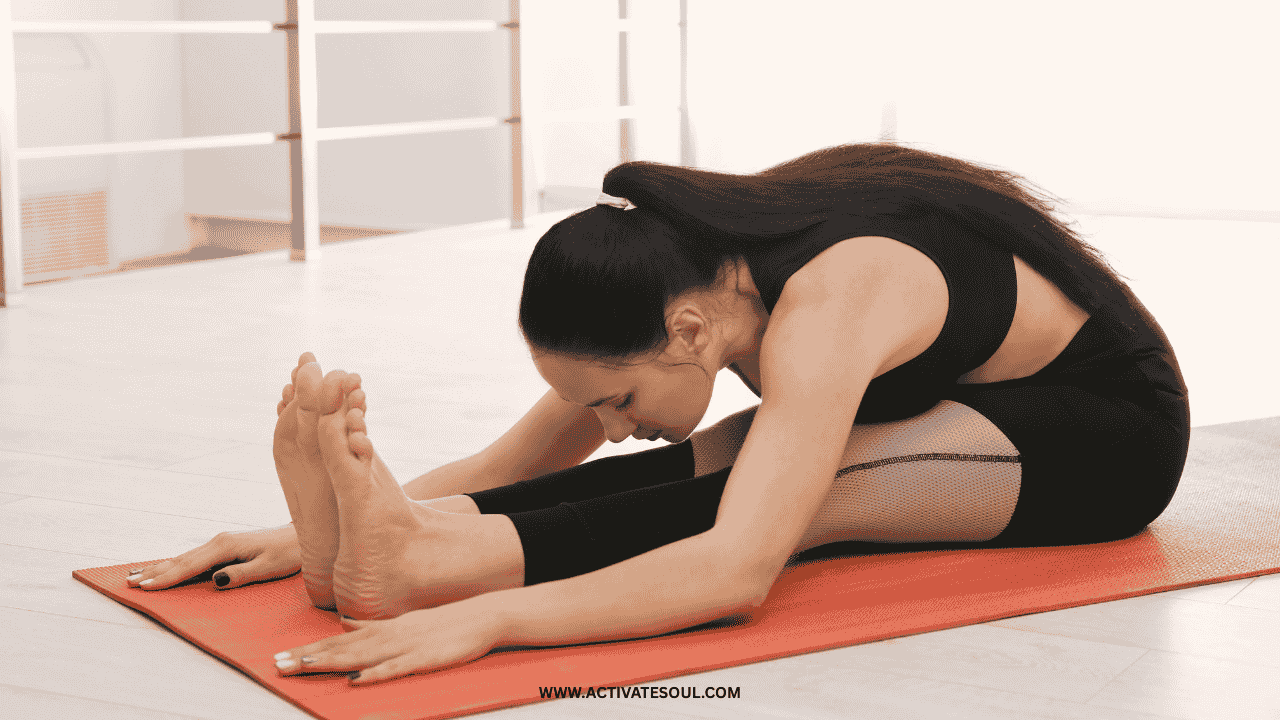
🧘♀️ 4. Paschimottanasana (Seated Forward Bend)
How to Do It:
-
Sit with your legs stretched out straight.
-
Inhale and raise your arms above your head.
-
Exhale and bend forward from the hips, reaching for your toes.
-
Hold your feet, ankles, or shins—wherever comfortable.
-
Rest your forehead on your knees and breathe deeply.
Benefits:
-
Stretches and compresses abdominal organs.
-
Improves intestinal mobility.
-
Calms the nervous system, aiding digestion.
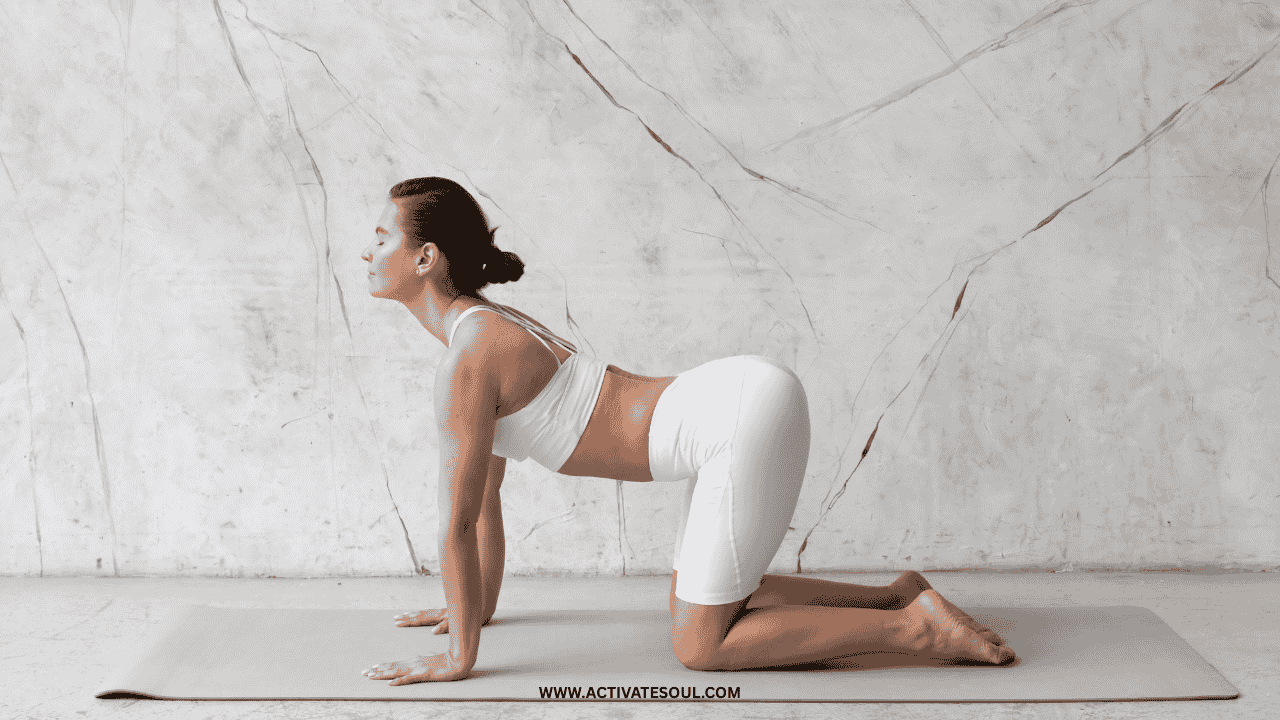
🧘♂️ 5. Marjaryasana-Bitilasana (Cat-Cow Stretch)
How to Do It:
-
Get on your hands and knees (tabletop position).
-
Inhale into Cow Pose: Drop your belly, lift your head and tailbone, and open your chest.
-
Exhale into Cat Pose: Arch your back, tuck your chin to your chest, and draw your belly in.
-
Repeat this cycle for 1–2 minutes with deep breathing.
Benefits:
-
Enhances spinal flexibility.
-
Gently massages digestive organs.
-
Relieves gas and bloating.
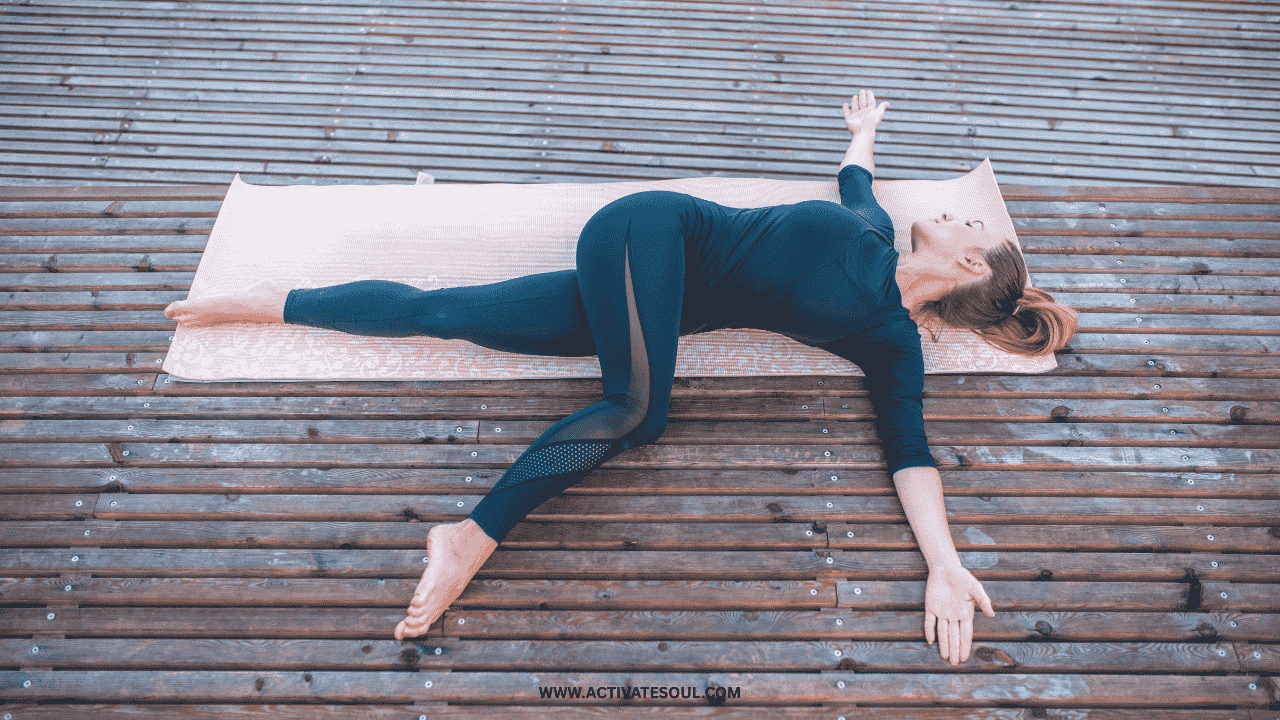
🧘 6. Supta Matsyendrasana (Supine Spinal Twist)
How to Do It:
-
Lie on your back with legs extended.
-
Bend your right knee and bring it across your body to the left.
-
Extend your right arm out to the side and look toward it.
-
Keep both shoulders on the floor.
-
Hold for 30 seconds, then switch sides.
Benefits:
-
Stimulates peristalsis (movement of intestines).
-
Relieves abdominal tension.
-
Helps detoxify the body through gentle twisting.
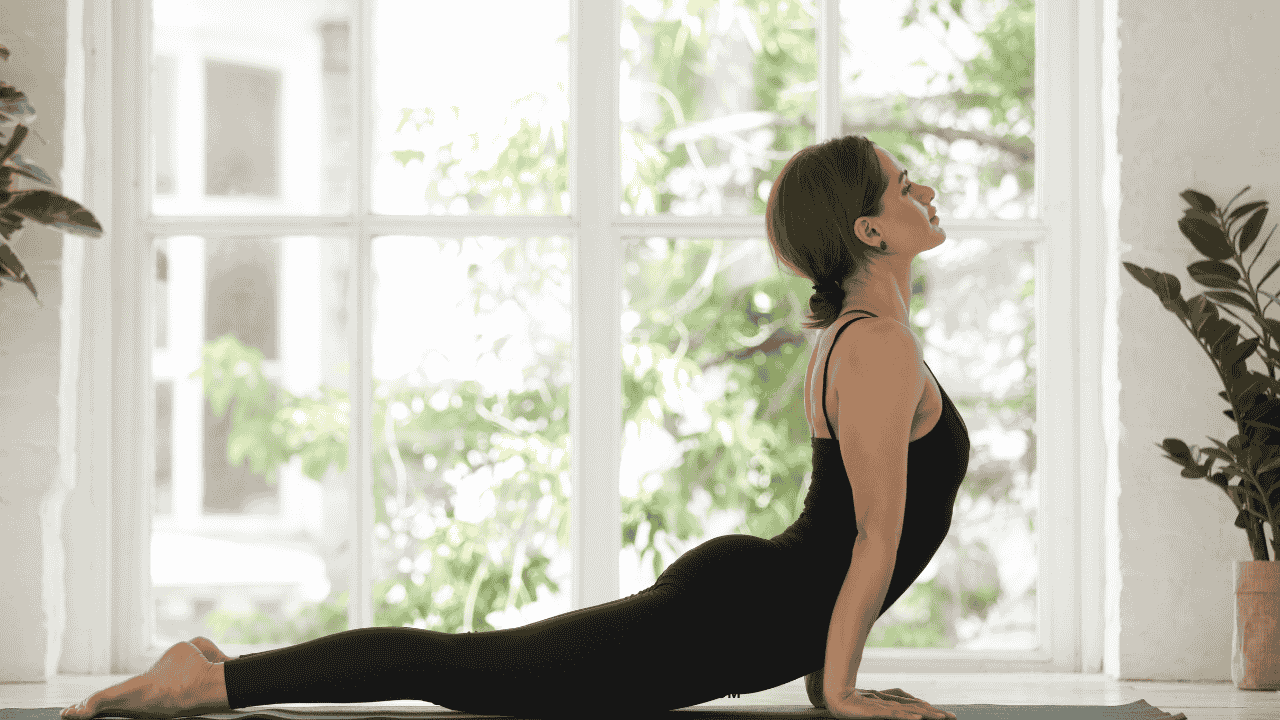
🧘♀️ 7. Bhujangasana (Cobra Pose)
How to Do It:
-
Lie on your stomach with your palms under your shoulders.
-
Inhale and gently lift your chest while keeping your elbows slightly bent.
-
Keep your lower body grounded.
-
Hold the pose for 15–30 seconds while breathing deeply.
Benefits:
-
Stimulates the abdominal organs.
-
Improves blood flow to the gut.
-
Reduces fatigue and encourages digestion.
✅ Tips for Practicing Yoga for Constipation
-
Practice in the morning on an empty stomach.
-
Stay hydrated throughout the day.
-
Breathe deeply during all poses—don’t rush.
-
Eat fiber-rich foods (like fruits, veggies, and whole grains).
-
Be consistent: Do your routine daily or at least 3–4 times a week.
FAQs:
1. Can yoga help with chronic constipation?
Yes, regular yoga practice can support digestion and reduce chronic constipation, especially when combined with a healthy lifestyle.
2. How long should I do yoga to relieve constipation?
Even 15–20 minutes a day can make a difference. Consistency is key.
3. Are these yoga poses safe for beginners?
Yes, all poses mentioned are beginner-friendly. Always listen to your body and avoid straining.
4. Should I do yoga before or after eating?
It’s best to practice yoga on an empty stomach, preferably in the morning.
5. Can children or elderly people do yoga for constipation?
Yes, but they should practice under guidance to ensure safety and proper alignment.
6. Will I get immediate relief after one yoga session?
Some people do, but for lasting results, practice consistently over time.
7. What foods should I eat along with yoga to ease constipation?
Eat high-fiber foods like fruits, vegetables, lentils, oats, and drink plenty of water.