

Tattoos can be powerful spiritual tools—not just for expression, but for remembrance, healing, and growth. If you’re drawn to Eastern philosophies or on a journey of inner peace, a Buddhist spiritual tattoo can serve as a permanent reminder of your path.
From sacred mantras to ancient symbols, Buddhist tattoos reflect deep spiritual meanings—centered around compassion, mindfulness, and enlightenment. Whether you’re a practitioner or someone inspired by the teachings, these tattoos offer a timeless connection to peace.
1. Why Choose a Buddhist Spiritual Tattoo?
Buddhist tattoos are not just body art—they’re spiritual statements.
Common reasons people choose Buddhist tattoos:
-
To symbolize their spiritual path
-
To embody inner peace, awareness, or compassion
-
As a reminder to stay present and non-attached
-
To draw strength from ancient protective symbols
-
As a form of mindful devotion
These tattoos often serve as anchors—a way to come back to yourself in a chaotic world.
2. Most Powerful Buddhist Tattoo Symbols & Meanings
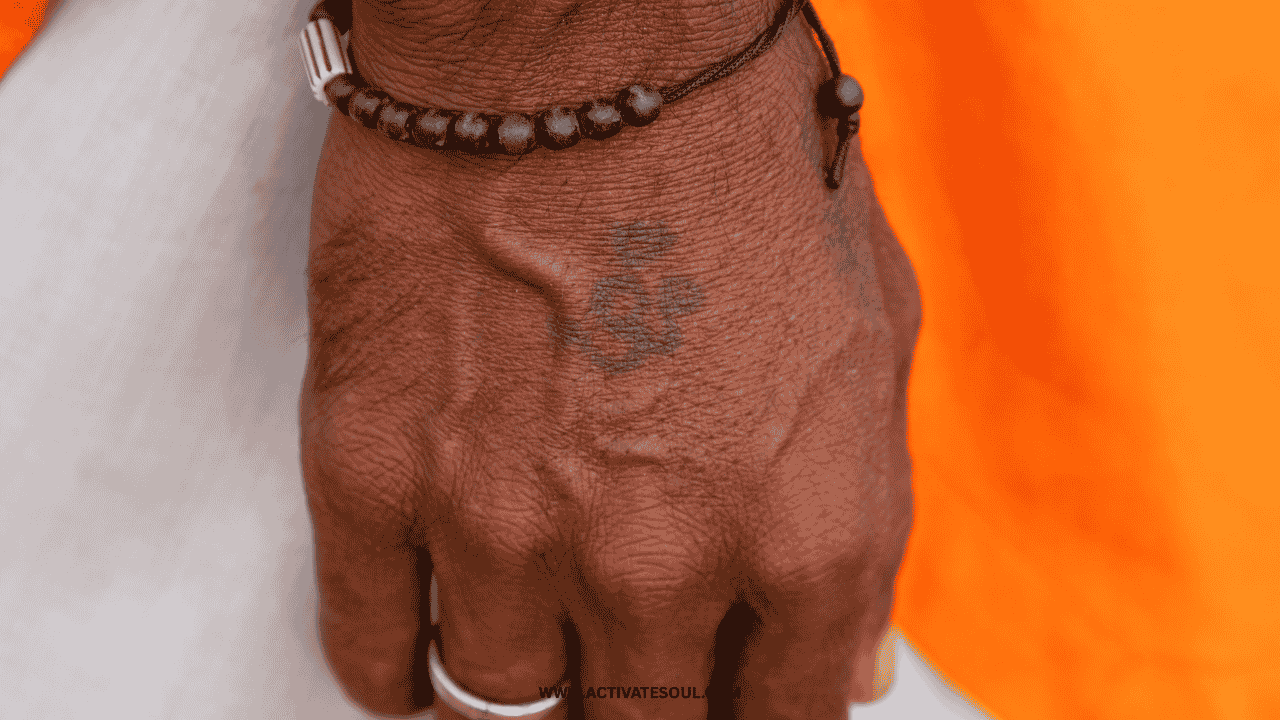
1. The Om Symbol (ॐ)
-
Represents the sacred sound of the universe
-
Often used in meditation; symbolizes unity and consciousness
2. The Dharma Wheel
-
Symbolizes the Buddha’s teachings
-
Each spoke represents a part of the Eightfold Path
3. Lotus Flower
-
Grows in muddy waters but blooms clean—symbol of spiritual awakening
-
Represents purity, growth, and enlightenment
4. Bodhi Tree or Leaf
-
Where Buddha attained enlightenment
-
Symbol of wisdom, awakening, and shelter
5. Sanskrit or Pali Mantras
-
Common mantras: Om Mani Padme Hum (compassion)
-
Sacred words believed to carry energetic power
6. Buddha Image or Face
-
A powerful spiritual anchor
-
Choose a respectful, serene depiction—often symbolizing inner stillness and peace
3. Design Ideas for Buddhist Spiritual Tattoos
You can personalize your tattoo based on your path:
-
Minimalist Symbols: Small Om sign, tiny lotus, or subtle
-
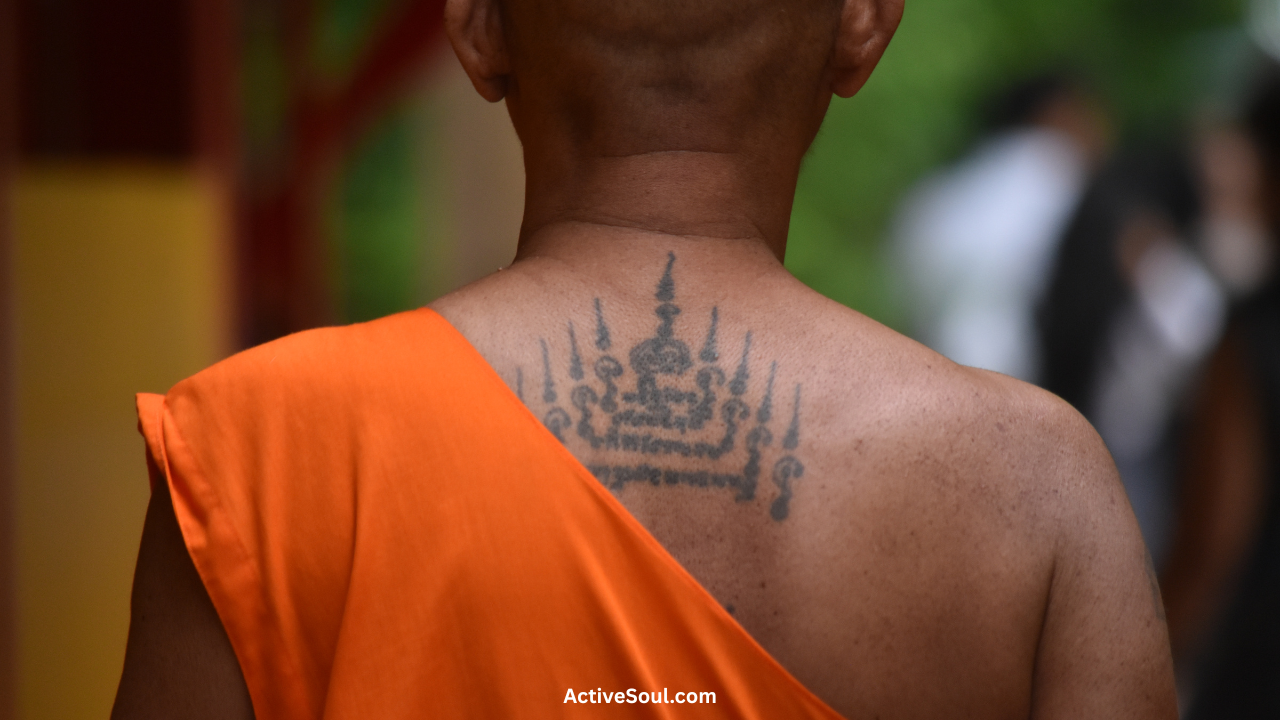
Back or Chest Pieces: Full dharma wheels, Bodhi trees, or detailed mantras
-
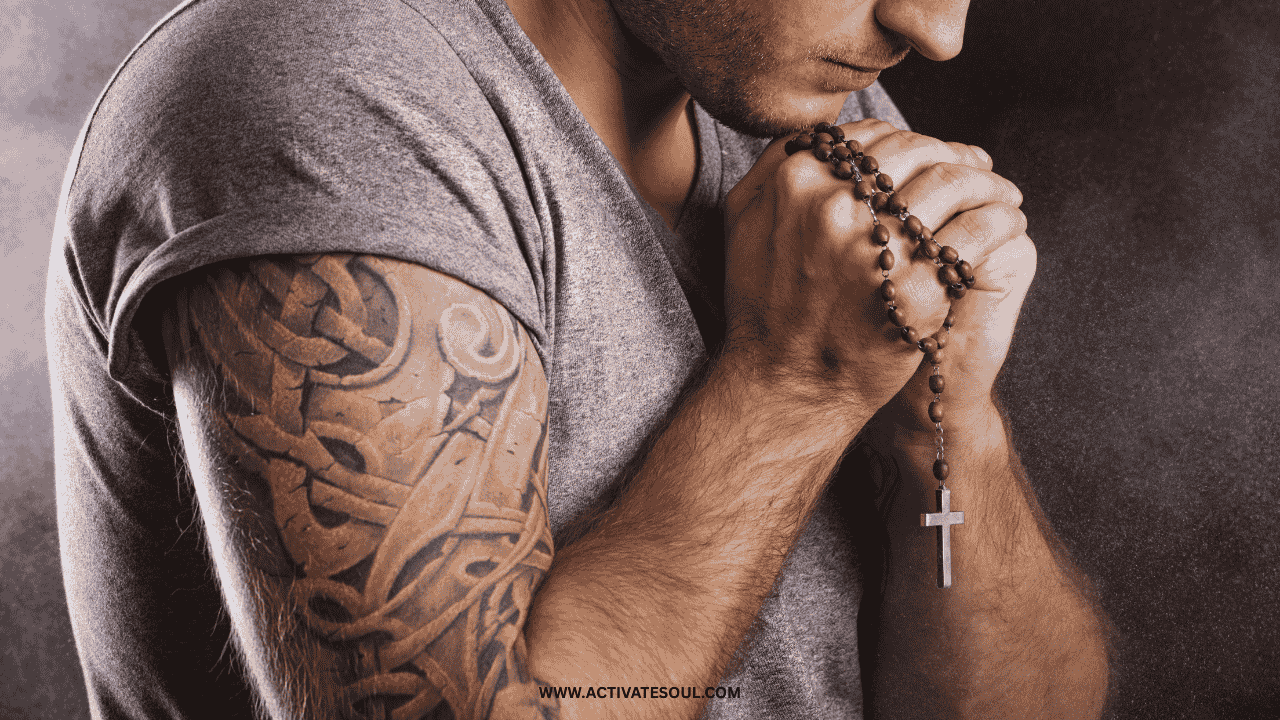
Sleeves: Combine symbols into a flowing story of spiritual growth
-
Mandala Art: Intricate circular designs symbolizing balance and unity
Tip: Combine elements for a unique, layered message—like a lotus with a mantra, or flowing into a Bodhi leaf.
4. Meaningful Tattoo Placements
Where you place your tattoo can amplify its intention:
-
Forearm or wrist – Visibility for daily mindfulness
-
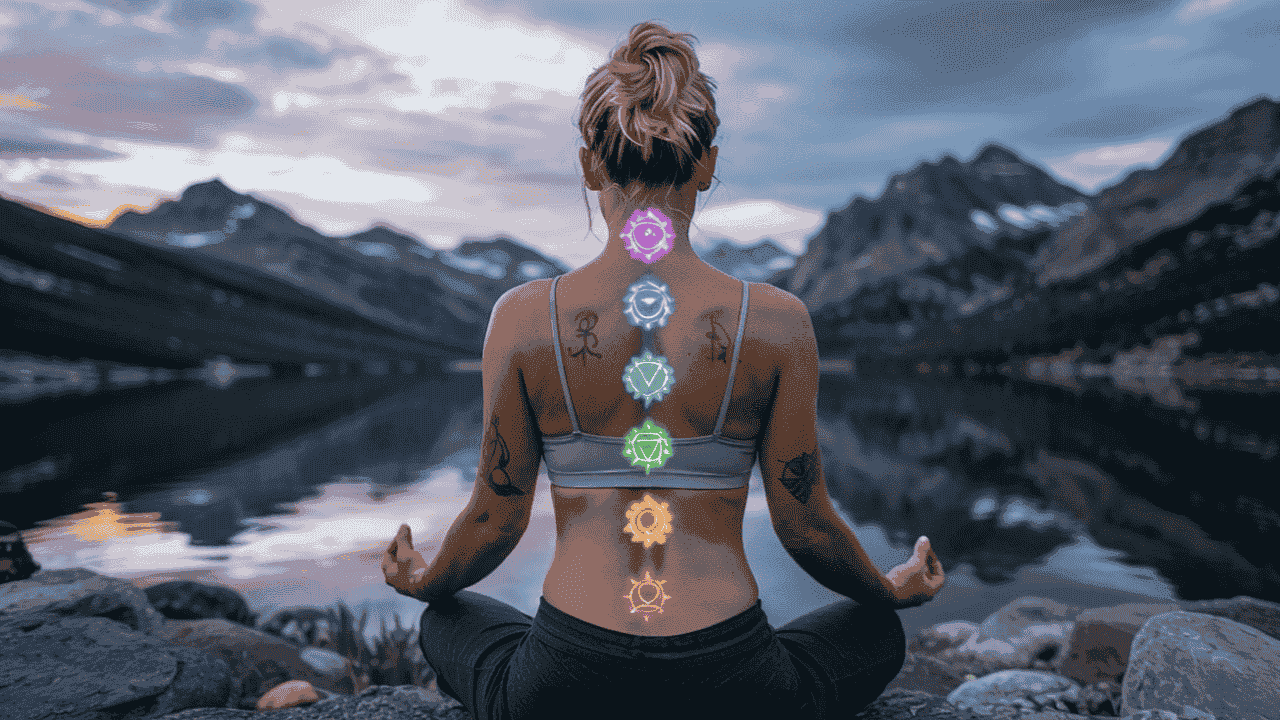
Upper back or neck – Connection to spiritual energy centers
-
Chest or heart area – Deep personal significance
-
Spine – A symbol of alignment and personal growth
-
Foot or ankle – Symbolizes a spiritual path or journey
Choose a location that feels meaningful to you—your body, your temple.
5. Important Cultural Considerations
Buddhist tattoos are sacred, not decorative.
Be respectful and informed when choosing religious symbols. In some countries (like Thailand or Sri Lanka), tattoos of the Buddha are considered disrespectful if placed below the waist or worn without spiritual intent.
Tips for Cultural Sensitivity:
-
Avoid commercializing sacred images
-
Don’t place Buddha tattoos on feet, ankles, or buttocks
-
Learn the meaning of mantras or symbols before getting inked
-
If you’re not Buddhist, approach the design with humility and reverence
Conclusion
A spiritual Buddhist tattoo is more than ink—it’s a timeless guide. It can remind you to breathe, to stay grounded, and to walk your path with compassion and clarity. Whether you’re drawn to the wisdom of the lotus, the power of mantras, or the serenity of the Buddha, your tattoo becomes a living prayer—etched into your skin.
So if your soul seeks stillness, your spirit seeks truth, or your heart seeks peace—this might just be the tattoo you’ve been waiting for.

FAQs About Spiritual Buddhist Tattoos
1. Can I get a Buddhist tattoo even if I’m not Buddhist?
Yes—but be respectful. Learn about the meaning and avoid placing sacred symbols in inappropriate places.
2. What’s the meaning of the symbol?
It represents the path to enlightenment: from chaos to clarity.
3. Are there protective Buddhist tattoos?
Yes. Some traditional mantras and yantras are believed to offer spiritual protection and guidance.
4. Where should I avoid placing Buddhist tattoos?
Avoid lower body areas like feet, ankles, or legs—these can be considered disrespectful in Buddhist cultures.
5. What is the meaning of “Om Mani Padme Hum”?
It’s a Tibetan mantra that invokes compassion and purification of the soul.
6. Is it okay to tattoo the Buddha’s face?
Yes, but choose a serene, respectful design and placement—never below the waist.
7. Do Buddhist tattoos help with mindfulness?
For many, yes. They act as visual reminders to stay present and compassionate.