
Are you looking for a yoga practice that challenges your body, sharpens your mind, and deepens your spiritual connection? Ashtanga Yoga might be just what you need. Known for its dynamic and structured approach, Ashtanga Yoga is a powerful practice that combines breath, movement, and focus. In this comprehensive guide, we’ll explore the origins, principles, and benefits of Ashtanga Yoga, as well as tips for beginners and advanced practitioners alike. Whether you’re new to yoga or a seasoned yogi, this article will provide you with everything you need to know about this transformative practice.
What Is Ashtanga Yoga?
Ashtanga Yoga is a traditional form of yoga that follows a specific sequence of postures linked by breath and movement. It was popularized by Sri K. Pattabhi Jois in the 20th century and is often referred to as “Ashtanga Vinyasa Yoga” due to its flowing style.
- The Eight Limbs: The word “Ashtanga” means “eight limbs” in Sanskrit, referring to the eightfold path outlined in Patanjali’s Yoga Sutras. These limbs include ethical guidelines, physical postures, breath control, and meditation.
- Structured Practice: Ashtanga Yoga follows a set sequence of poses, divided into primary, intermediate, and advanced series. Each series builds on the previous one, promoting strength, flexibility, and mental focus.
- Dynamic Flow: The practice is characterized by its vinyasa style, where each movement is synchronized with the breath, creating a meditative and energetic flow.
Deeper Insight: Ashtanga Yoga is often described as a moving meditation. The repetitive nature of the sequences allows practitioners to internalize their practice, focusing inward and cultivating mindfulness.

The History and Philosophy of Ashtanga Yoga
Ashtanga Yoga has deep roots in ancient Indian traditions. Here’s a brief overview of its history and philosophy:
- Origins: The practice is based on the teachings of the ancient text Yoga Korunta, which was passed down to Sri T. Krishnamacharya and later to his student, Sri K. Pattabhi Jois.
- Pattabhi Jois: Jois dedicated his life to teaching and spreading Ashtanga Yoga, establishing the Ashtanga Yoga Research Institute in Mysore, India.
- Philosophy: Ashtanga Yoga emphasizes self-discipline, devotion, and the integration of the eight limbs of yoga. It encourages practitioners to cultivate inner peace and self-awareness through consistent practice.
Pro Tip: Understanding the philosophy behind Ashtanga Yoga can deepen your practice and help you connect with its spiritual roots.
The Six Series of Ashtanga Yoga
Ashtanga Yoga is divided into six series, each with a specific focus and level of difficulty:
- Primary Series (Yoga Chikitsa):
- Focus: Detoxifies and aligns the body.
- Poses: Includes forward bends, twists, and basic standing poses.
- Benefits: Builds strength, flexibility, and mental clarity.
- Intermediate Series (Nadi Shodhana):
- Focus: Cleanses the nervous system.
- Poses: Introduces backbends and deeper stretches.
- Benefits: Enhances energy flow and emotional balance.
- Advanced Series (Sthira Bhaga):
- Focus: Develops strength and grace.
- Poses: Includes advanced arm balances, inversions, and deep backbends.
- Benefits: Promotes mastery of the body and mind.
Note: The advanced series is further divided into four parts (A, B, C, and D), each increasing in complexity.
The Key Components of Ashtanga Yoga
Ashtanga Yoga is built on three core components:
- Vinyasa: The synchronization of breath and movement. Each pose is linked by a specific breathing pattern, creating a flowing sequence.
- Breath (Ujjayi Pranayama): A deep, audible breath that helps maintain focus and generate internal heat.
- Drishti (Gaze): Each pose has a specific focal point, which helps cultivate concentration and mindfulness.
Actionable Tip: Practice Ujjayi breathing by inhaling and exhaling through your nose, slightly constricting the back of your throat to create a soft “ocean sound.”
Benefits of Ashtanga Yoga
Ashtanga Yoga offers a wide range of physical, mental, and spiritual benefits:
- Physical Benefits:
- Improves strength, flexibility, and endurance.
- Detoxifies the body through dynamic movement and sweating.
- Enhances cardiovascular health.
- Mental Benefits:
- Reduces stress and anxiety.
- Improves focus and mental clarity.
- Promotes mindfulness and self-awareness.
- Spiritual Benefits:
- Deepens your connection to your inner self.
- Encourages self-discipline and devotion.
- Fosters a sense of inner peace and balance.
Real-Life Example: John, a busy professional, started practicing Ashtanga Yoga to manage stress. Over time, he noticed not only improved physical fitness but also a greater sense of calm and focus in his daily life.
Tips for Beginners
Starting Ashtanga Yoga can be challenging, but these tips will help you ease into the practice:
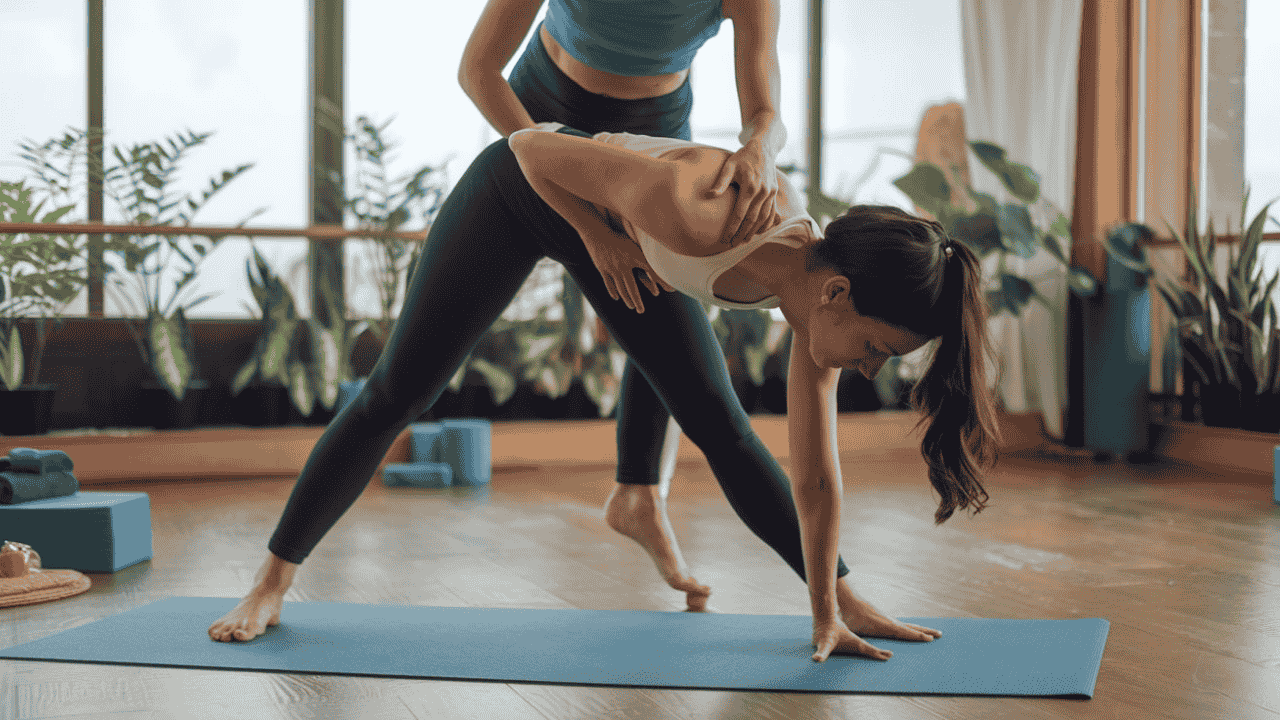
- Find a Qualified Teacher: Ashtanga Yoga is best learned under the guidance of an experienced instructor.
- Start Slowly: Begin with the Primary Series and focus on mastering the foundational poses.
- Practice Consistently: Aim for 3-6 sessions per week to build strength and familiarity with the sequences.
- Listen to Your Body: Avoid pushing yourself too hard and modify poses as needed.
- Be Patient: Progress takes time, so celebrate small victories along the way.
Common Challenges and How to Overcome Them
Ashtanga Yoga can be physically and mentally demanding. Here are some common challenges and how to address them:
- Physical Fatigue: Build stamina gradually and ensure you’re eating a balanced diet.
- Mental Resistance: Use your breath and drishti to stay focused and present.
- Injury Risk: Practice proper alignment and avoid overexertion.
- Boredom: Embrace the repetitive nature of the practice as a form of meditation.
Conclusion
Ashtanga Yoga is more than just a physical practice—it’s a journey of self-discovery and transformation. By embracing its structured sequences, mindful breathing, and spiritual philosophy, you can cultivate strength, clarity, and inner peace. Whether you’re a beginner or an advanced practitioner, Ashtanga Yoga offers a path to holistic well-being. Roll out your mat, take a deep breath, and begin your journey today.
FAQs
1. Is Ashtanga Yoga suitable for beginners?
Yes, but it’s best to start with a qualified teacher who can guide you through the foundational poses and principles.
2. How is Ashtanga Yoga different from other yoga styles?
Ashtanga Yoga follows a set sequence of poses and emphasizes breath, movement, and focus, making it more structured and dynamic than many other styles.
3. How long does it take to learn the Primary Series?
It varies, but most beginners take several months to a year to learn and master the Primary Series.
4. Can I practice Ashtanga Yoga at home?
Yes, but it’s recommended to learn the sequences from a teacher first to ensure proper alignment and technique.
5. What if I can’t do all the poses?
Modify the poses as needed and focus on progress rather than perfection.
6. How often should I practice Ashtanga Yoga?
Traditionally, Ashtanga Yoga is practiced 6 days a week, but beginners can start with 3-4 sessions.
7. What should I eat before practicing Ashtanga Yoga?
Eat a light meal or snack 1-2 hours before practice to avoid discomfort.