
Have you ever wanted to try yoga but felt intimidated by the thought of twisting yourself into a pretzel? You’re not alone! Yoga is for everyone, regardless of age, fitness level, or flexibility. In this beginner’s guide to yoga, we’ll walk you through the basics, from simple poses to helpful tips for getting started. Whether you’re looking to reduce stress, improve flexibility, or just try something new, this guide will help you take your first step onto the mat with confidence.
What Is Yoga?
Yoga is an ancient practice that originated in India over 5,000 years ago. It combines physical postures (asanas), breathing techniques (pranayama), and meditation to promote mental, physical, and spiritual well-being.
- Physical Benefits: Improves flexibility, strength, and balance.
- Mental Benefits: Reduces stress, enhances focus, and promotes relaxation.
- Spiritual Benefits: Encourages mindfulness and a deeper connection to yourself.
Deeper Insight: Yoga is not about being perfect or achieving the most advanced poses. It’s about listening to your body, breathing deeply, and finding peace in the present moment.
Essential Yoga Gear for Beginners
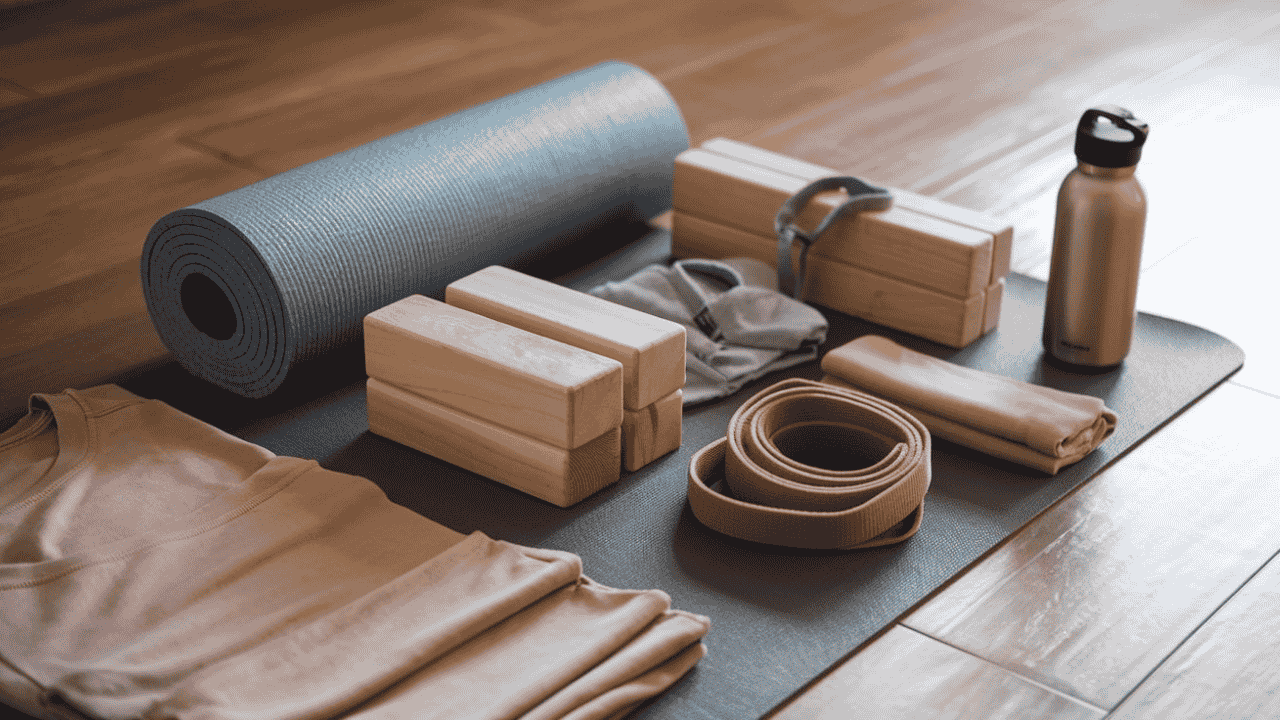
You don’t need much to start yoga, but having the right gear can make your practice more comfortable and enjoyable. Here’s what you’ll need:
- Yoga Mat: Provides cushioning and grip for your poses.
- Comfortable Clothing: Wear something stretchy and breathable that allows you to move freely.
- Yoga Blocks: Helpful for modifying poses and providing support.
- Yoga Strap: Assists with stretching and improving flexibility.
- Water Bottle: Stay hydrated before, during, and after your practice.
Pro Tip: Don’t worry about investing in expensive gear right away. Start with the basics and add to your collection as you progress.
Basic Yoga Poses for Beginners
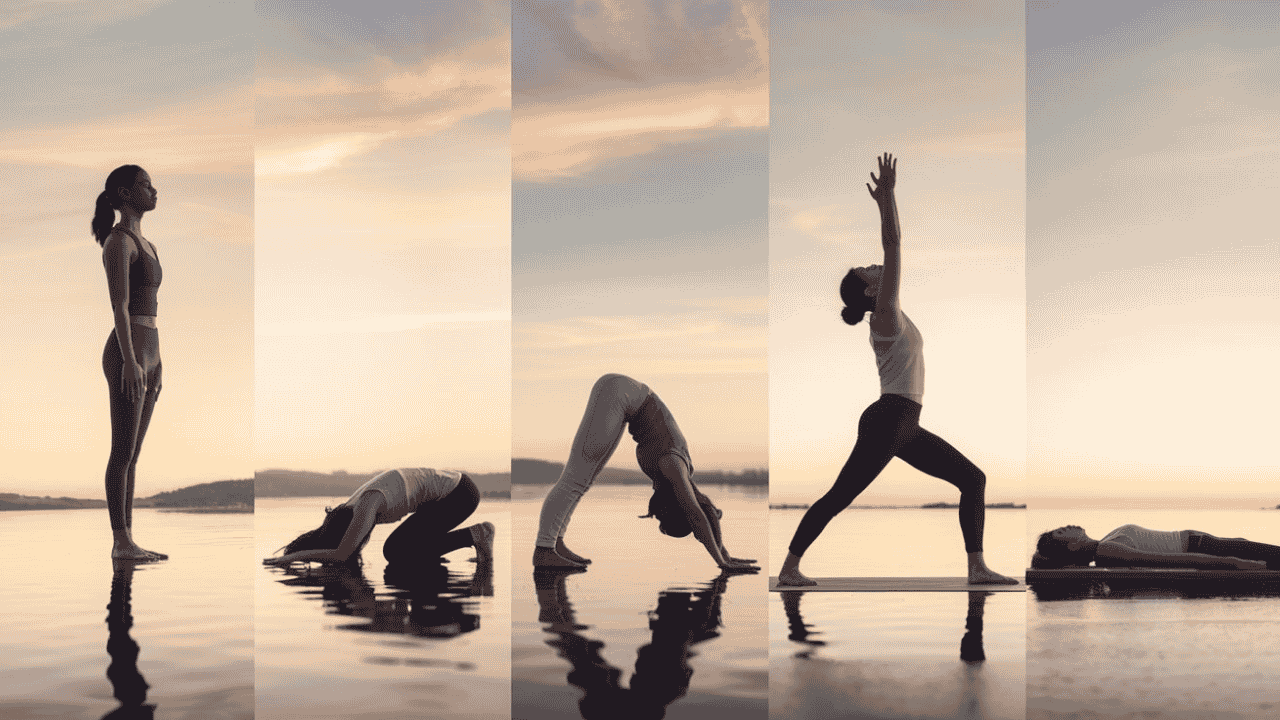
Here are five beginner-friendly yoga poses to get you started:
- Mountain Pose (Tadasana):
- Stand tall with your feet together, arms at your sides.
- Engage your core and breathe deeply.
- This pose improves posture and focus.
- Child’s Pose (Balasana):
- Kneel on the floor, sit back on your heels, and stretch your arms forward.
- Rest your forehead on the mat.
- This pose is great for relaxation and stretching the back.
- Downward-Facing Dog (Adho Mukha Svanasana):
- Start on your hands and knees, then lift your hips up and back to form an inverted V shape.
- Keep your hands shoulder-width apart and feet hip-width apart.
- This pose stretches the entire body and builds strength.
- Warrior I (Virabhadrasana I):
- Step one foot forward into a lunge, with your back foot turned slightly outward.
- Raise your arms overhead and gaze forward.
- This pose strengthens the legs and improves balance.
- Corpse Pose (Savasana):
- Lie flat on your back with your arms at your sides, palms facing up.
- Close your eyes and focus on your breath.
- This pose promotes deep relaxation and mindfulness.
Actionable Tip: Practice these poses slowly and focus on your breath. It’s okay if you can’t do them perfectly—yoga is about progress, not perfection.
Tips for Building a Consistent Yoga Practice
Starting a yoga practice is easy, but staying consistent can be challenging. Here are some tips to help you stick with it:
- Set Realistic Goals: Start with 10-15 minutes a day and gradually increase your practice time.
- Create a Routine: Practice at the same time each day to build a habit.
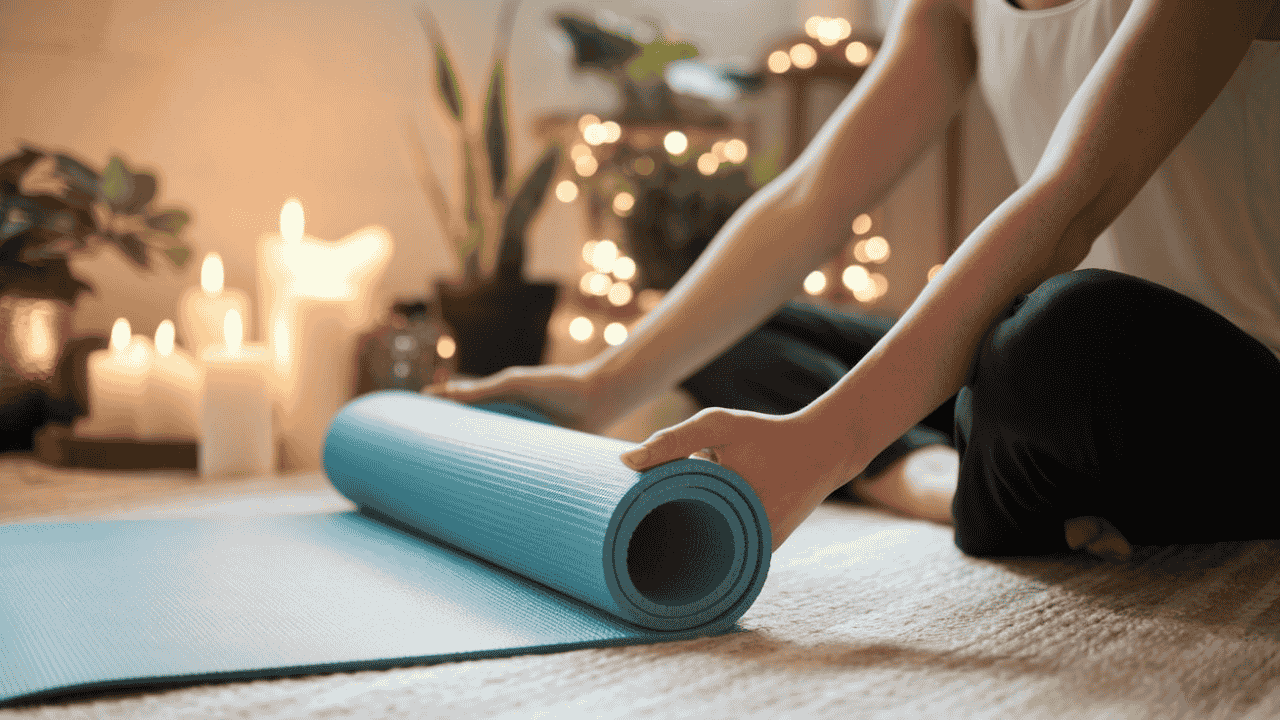
- Find a Quiet Space: Choose a calm, clutter-free area where you can focus.
- Use Online Resources: Follow beginner-friendly yoga videos or apps to guide your practice.
- Be Patient: Progress takes time, so celebrate small victories along the way.
Real-Life Example: Emily, a busy mom, started with 10 minutes of yoga every morning. Over time, she noticed improvements in her flexibility and stress levels, which motivated her to practice regularly.
Common Mistakes to Avoid as a Beginner
As a beginner, it’s easy to make mistakes that can hinder your progress or lead to injury. Here’s what to watch out for:
- Skipping the Warm-Up: Always start with gentle stretches to prepare your body.
- Holding Your Breath: Remember to breathe deeply and consistently throughout your practice.
- Pushing Too Hard: Listen to your body and avoid forcing yourself into poses.
- Comparing Yourself to Others: Focus on your own journey and progress at your own pace.
- Neglecting Savasana: Don’t skip the final relaxation pose—it’s essential for integrating the benefits of your practice.
Conclusion
Starting yoga as a beginner can feel overwhelming, but it’s one of the most rewarding practices you can adopt for your mind, body, and spirit. Remember, yoga is a personal journey, and there’s no right or wrong way to do it. Take it one pose at a time, breathe deeply, and enjoy the process. With consistency and patience, you’ll soon experience the transformative benefits of yoga. Roll out your mat, take a deep breath, and begin your journey to wellness today!
FAQs
1. Do I need to be flexible to start yoga?
No! Yoga is for everyone, regardless of flexibility. The more you practice, the more flexible you’ll become.
2. How often should I practice yoga as a beginner?
Start with 2-3 sessions per week and gradually increase as you feel comfortable.
3. Can I do yoga at home?
Absolutely! All you need is a quiet space and a yoga mat. Online videos and apps can guide your practice.
4. What’s the best time to do yoga?
The best time is whenever you can commit to a consistent practice. Many people prefer mornings to start their day with energy and focus.
5. How long does it take to see results from yoga?
Results vary, but many people notice improved flexibility, reduced stress, and better sleep within a few weeks of regular practice.
6. Can yoga help with weight loss?
While yoga isn’t a high-intensity workout, it can support weight loss by reducing stress, improving mindfulness, and building strength.
7. What if I can’t do a pose?
Modify the pose or use props like blocks and straps. Yoga is about adapting to your body’s needs.