
Have you ever wondered why you’re drawn to certain careers, relationships, or life paths? The answers might lie in your natal chart—a cosmic snapshot of the sky at the exact moment you were born. Often referred to as your “astrological blueprint,” your natal chart reveals insights about your personality, strengths, challenges, and life purpose. Whether you’re new to astrology or looking to deepen your understanding, this guide will walk you through the basics of natal charts and how to interpret yours.
What Is a Natal Chart?
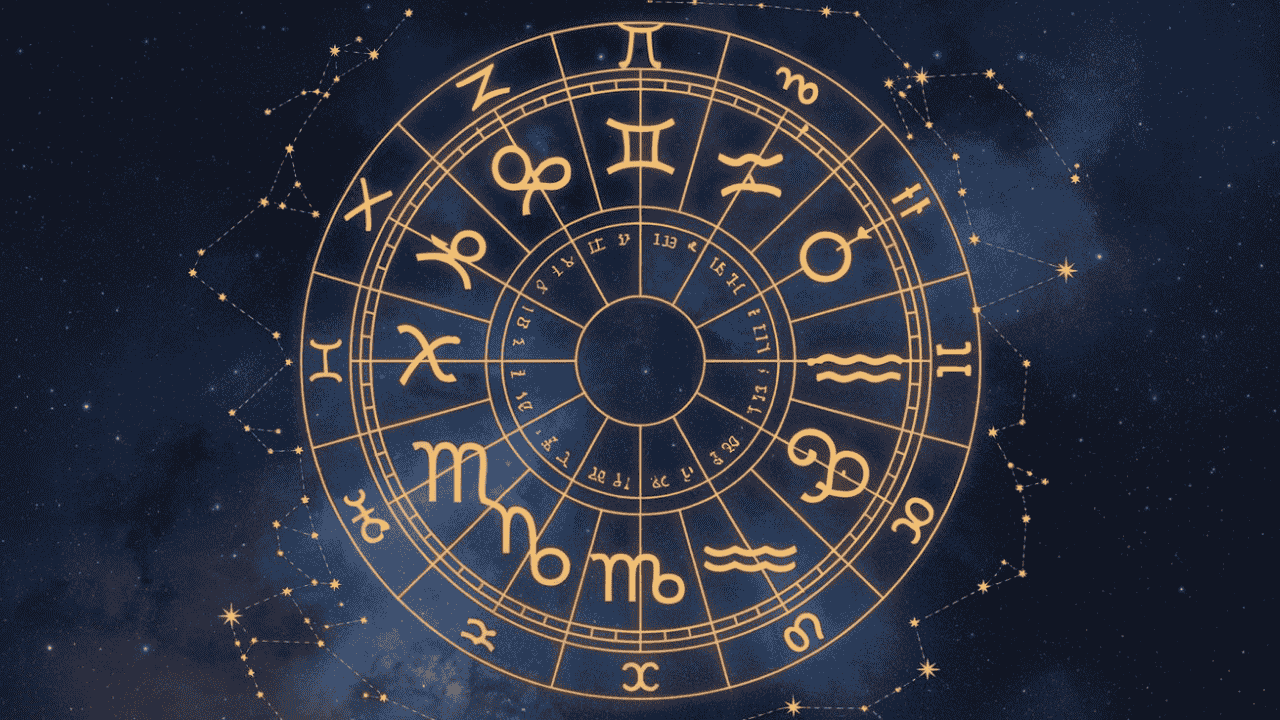
A natal chart is a map of the sky at the exact time, date, and location of your birth. It’s a unique astrological tool that reveals the positions of the planets, the Sun, the Moon, and other celestial points in the zodiac signs and houses.
- Key Components:
- Planets: Represent different aspects of your personality and life (e.g., Mercury for communication, Venus for love).
- Zodiac Signs: Influence how the planets express their energy (e.g., fiery Aries vs. grounded Taurus).
- Houses: Represent different areas of life (e.g., career, relationships, home).
- Aspects: Angles between planets that show how they interact (e.g., harmonious trines vs. challenging squares).
- Why It Matters: Your natal chart is like a cosmic fingerprint—it’s unique to you and offers profound insights into your life’s purpose and potential.
How to Create Your Natal Chart
Creating your natal chart is easier than ever, thanks to online tools and apps. Here’s how to get started:
- Gather Your Birth Information: You’ll need your exact birth date, time, and location. The more precise the time, the more accurate your chart will be.
- Use an Online Calculator: Websites like Astro.com or apps like Co–Star can generate your natal chart for free.
- Interpret the Chart: Once you have your chart, you can start exploring its components. Don’t worry if it looks overwhelming at first—we’ll break it down step by step.
Key Components of a Natal Chart
To understand your natal chart, let’s dive into its key components:
- The Sun Sign: Represents your core identity, ego, and life purpose.
- The Moon Sign: Reflects your emotions, instincts, and inner world.
- The Rising Sign (Ascendant): Represents your outward personality and how others perceive you.
- The Planets: Each planet governs a different aspect of your life (e.g., Mars for energy and drive, Venus for love and beauty).
- The Houses: The 12 houses represent different areas of life, from career (10th house) to relationships (7th house).
- The Aspects: Angles between planets that show how they interact (e.g., a trine indicates harmony, while a square indicates tension).

How to Interpret Your Natal Chart
Interpreting your natal chart can feel like solving a cosmic puzzle, but here’s a simple step-by-step guide:
- Start with the Big Three: Focus on your Sun, Moon, and Rising signs to understand your core personality.
- Explore Your Planets: Look at where each planet is located (sign and house) to uncover its influence on your life.
- Check the Aspects: Pay attention to the angles between planets to see how they interact and influence each other.
- Identify Patterns: Look for clusters of planets in certain signs or houses, which can highlight key themes in your life.
- Use Online Resources: Websites like Cafe Astrology or books like The Only Astrology Book You’ll Ever Need can help you dive deeper.
Real-Life Examples of Natal Chart Interpretations
Here are a few examples of how natal charts can reveal insights:
- Career Path: A person with their Sun in the 10th house (career) and Saturn in Capricorn might be destined for leadership roles or long-term success in their field.
- Relationships: Someone with Venus in Libra and the 7th house (relationships) might have a natural talent for creating harmony and attracting loving partnerships.
- Life Purpose: A person with their North Node in Leo might be here to learn about self-expression and stepping into the spotlight.
How to Use Your Natal Chart for Personal Growth
Your natal chart isn’t just a tool for self-discovery—it’s also a guide for personal growth. Here’s how to use it:
- Understand Your Strengths: Use your chart to identify your natural talents and how to leverage them.
- Work on Challenges: Identify areas of tension (e.g., challenging aspects) and use them as opportunities for growth.
- Align with Your Purpose: Use your chart to uncover your life’s purpose and take steps toward fulfilling it.
- Track Transits: Follow how current planetary movements (transits) interact with your natal chart to navigate life’s ups and downs.

Conclusion
Your natal chart is a powerful tool for self-discovery and personal growth. By understanding its key components and learning how to interpret it, you can unlock the secrets of your personality, strengths, and life path. Whether you’re exploring your career, relationships, or purpose, your natal chart offers a cosmic roadmap to guide you. Start exploring your chart today, and embrace the journey of understanding your unique cosmic blueprint!
FAQs
1. What is a natal chart?
A natal chart is a map of the sky at the exact time, date, and location of your birth. It reveals the positions of the planets, zodiac signs, and houses, offering insights into your personality and life path.
2. How do I create my natal chart?
You’ll need your exact birth date, time, and location. Use an online tool like Astro.com or an app like Co–Star to generate your chart.
3. What are the “Big Three” in a natal chart?
The “Big Three” are your Sun sign (core identity), Moon sign (emotions), and Rising sign (outward personality).
4. Can my natal chart predict my future?
While your natal chart doesn’t predict the future, it can reveal patterns, strengths, and challenges that help you navigate life’s opportunities and obstacles.
5. What if I don’t know my exact birth time?
You can still create a natal chart, but it may lack accuracy for your Rising sign and house placements. Try to find your birth time through official records or family members.
6. How do I interpret challenging aspects in my chart?
Challenging aspects (like squares) highlight areas for growth and transformation. They’re not “bad”—they’re opportunities to learn and evolve.
7. Can I use my natal chart to improve my relationships?
Yes! Comparing your natal chart with someone else’s (a synastry chart) can reveal compatibility and areas for growth in your relationship.